
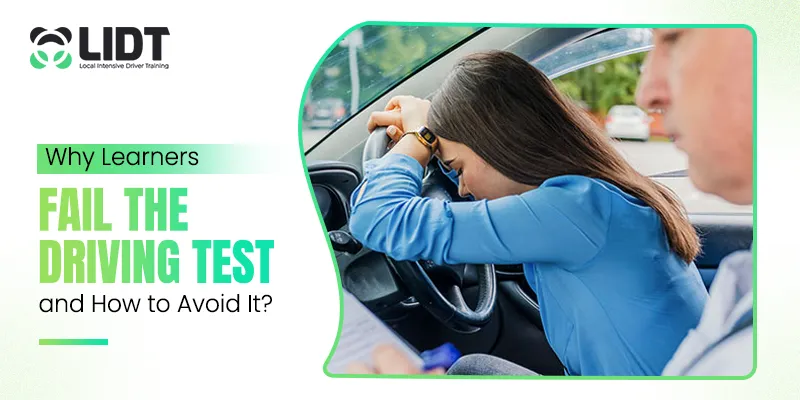
Why do some learners freeze at the wheel even after hours of practice? That pressure often leads to small mistakes that cost a pass. A driving test checks not just skill, but calm thinking, observation, and control under stress. Even well-prepared learners can slip if they ignore basics or rush decisions. Understanding these patterns can make a real difference in your results. The DVSA practical test is structured to assess safe and responsible driving habits in real conditions. In this blog, we’ll explore why learners fail and how you can avoid those errors.
What Is a Driving Test Fault?
A driving test fault happens when a learner makes errors that show unsafe or poor driving judgment. These errors are grouped into minor faults, serious faults, and dangerous faults. Minor faults are small mistakes, but too many can still lead to failure. Serious or dangerous faults cause immediate failure because they risk safety. During a DVSA driving test, examiners watch how you handle real traffic situations, follow rules, and respond to hazards. Failing does not mean you cannot drive. It means certain habits need correction before you are ready for the road alone.
Common Test Faults and How To Avoid Them
-
Poor Observation
Not checking mirrors or blind spots is a frequent issue. Stay alert at all times. Use mirrors before every move. During fast driving test booking, quick preparation often leads to this mistake.
-
Incorrect Positioning
Wrong lane use or poor road positioning can confuse other drivers. Practice lane discipline and understand road markings properly.
-
Lack of Control
Stalling, harsh braking, or poor clutch use shows weak control. Regular practice in traffic helps improve smooth handling.
-
Speed Misjudgment
Driving too slow or too fast can both be faults. Learn to match speed with road and traffic conditions safely.
-
Weak Planning
Late decisions at junctions or roundabouts lead to faults. While booking a practical driving test in London, ensure you train on busy routes to improve planning.
Fixing these habits takes consistency and focused lessons. You should also review your mistakes after each session. For deeper insight, read our guide on how driving test faults affect your result and understand how examiners mark errors. With steady practice and proper guidance, you can turn weak areas into strengths and improve your confidence before the test.
Wrapping Up
Failing a driving test is not the end. It is feedback that shows what needs improvement. Focus on observation, control, and planning to reduce errors. When you prepare well and stay calm, your chances of passing increase. Before you book a practical driving test, ensure you have corrected past mistakes and feel confident behind the wheel.
If you’re looking to train to avoid failing a driving test, then LIDT is your best option. We provide structured lessons, expert guidance, and real road practice to help learners build strong driving habits and pass with confidence. So what are you waiting for? Connect with us today and take the next step toward becoming a safe and skilled driver.
Frequently Asked Questions (FAQs)
What causes most driving test failures?
Poor observation, weak control, and bad decision timing are the most common reasons learners fail their tests.
How many minor faults are allowed?
You can make up to 15 minor faults, but more than that leads to a fail result.
Can I pass after failing once?
Most learners pass after improving weak areas and practising consistently before the next attempt.
How can I stay calm during the test?
Practice regularly, take deep breaths, and focus on one step at a time during the test.
Is mock testing helpful?
Mock tests help you understand real conditions and reduce nervousness before the actual test.