+321 123 4567
info@test.com
My Account
  • Home
  • Pratical Tests
  • Intensive Courses
  • Driving Lesson
  • Electric Driving Lesson
  • Theory Tests
  • Area We Cover
      • Berkshire
      • Buckingham
      • Birmingham
      • Bristol
      • Bedford
      • Cheshire
      • Cumbria
      • Cornwall
      • Cambridgeshire
      • Dorest
      • Devon
      • Derby
      • Essex
      • East Yorkshire
      • Hampshire
      • Kent
      • Lincoln
      • Leicester
      • Manchester
      • Norfolk
      • Northampton
      • Nottingham
      • North Yorkshire
      • Oxford
      • Surrey
      • Suffolk
      • Sussex
      • Shropshire
      • South Yorkshire
      • West Yorkshire
  • LIDT
    • Tesla Experience
    • About Us
    • Blogs
    • FAQ’s
    • Contact
  • Home
  • Pratical Tests
  • Intensive Courses
  • Driving Lesson
  • Electric Driving Lesson
  • Theory Tests
  • Area We Cover
      • Berkshire
      • Buckingham
      • Birmingham
      • Bristol
      • Bedford
      • Cheshire
      • Cumbria
      • Cornwall
      • Cambridgeshire
      • Dorest
      • Devon
      • Derby
      • Essex
      • East Yorkshire
      • Hampshire
      • Kent
      • Lincoln
      • Leicester
      • Manchester
      • Norfolk
      • Northampton
      • Nottingham
      • North Yorkshire
      • Oxford
      • Surrey
      • Suffolk
      • Sussex
      • Shropshire
      • South Yorkshire
      • West Yorkshire
  • LIDT
    • Tesla Experience
    • About Us
    • Blogs
    • FAQ’s
    • Contact
  • Home
  • Pratical Tests
  • Intensive Courses
  • Driving Lesson
  • Electric Driving Lesson
  • Theory Tests
  • Area We Cover
      • Berkshire
      • Buckingham
      • Surrey
      • Suffolk
      • Cheshire
      • Cumbria
      • Manchester
      • Kent
      • Bristol
      • Dorest
      • Devon
      • Cornwall
      • Bedford
      • Norfolk
      • Oxford
      • Cambridgeshire
      • Sussex
      • Birmingham
      • Northampton
      • Shropshire
      • Lincoln
      • Derby
      • Nottingham
      • Leicester
      • Hampshire
      • Essex
      • West Yorkshire
      • South Yorkshire
      • North Yorkshire
      • East Yorkshire
      • Berkshire
      • Buckingham
      • Birmingham
      • Bristol
      • Bedford
      • Cheshire
      • Cumbria
      • Cornwall
      • Cambridgeshire
      • Dorest
      • Devon
      • Derby
      • Essex
      • East Yorkshire
      • Hampshire
      • Kent
      • Lincoln
      • Leicester
      • Manchester
      • Norfolk
      • Northampton
      • Nottingham
      • North Yorkshire
      • Oxford
      • Surrey
      • Suffolk
      • Sussex
      • Shropshire
      • South Yorkshire
      • West Yorkshire
  • LIDT
    • Tesla Experience
    • About Us
    • Blogs
    • FAQ’s
    • Contact

A Simple Guide to Better Clutch Control While Driving

Posted on 4 hours ago
No Comments
A Simple Guide to Better Clutch Control While Driving

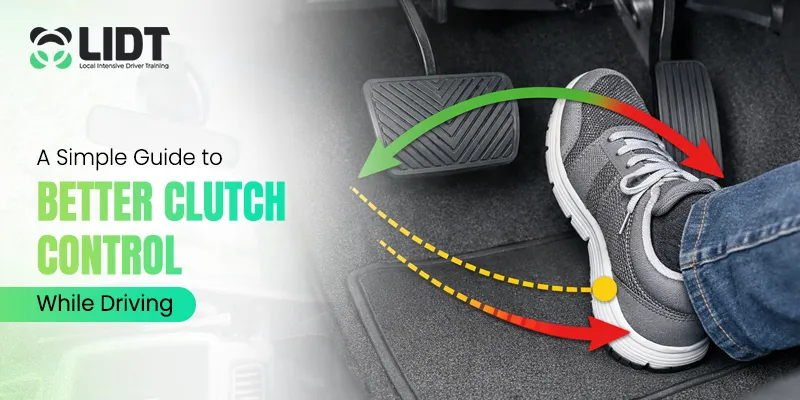
Clutch control is one of those things every learner struggles with at first. The car stalls, jerks, or rolls back, and suddenly driving feels harder than expected. The truth is, clutch control isn’t about strength, it’s about timing and feel. Once you understand how it works, everything becomes smoother and more natural. If you’re taking an intensive driving course in London, mastering clutch control early can make a big difference in how quickly you gain confidence on the road.

Understand the Biting Point

The biting point is where the clutch plates start to connect and the car begins to move. Finding this point is key. Start by releasing the clutch slowly without pressing the accelerator. You’ll feel the car slightly lift or vibrate, that’s your signal. Hold it there for a moment. This control helps you move off smoothly without stalling.

Use Gentle, Controlled Movements

One common mistake is lifting the clutch too quickly. That’s when the car jerks or shuts off.

Instead:

  • Lift the clutch slowly and steadily
  • Add a little acceleration once you reach the biting point
  • Avoid sudden movements with your feet

Practicing this regularly builds muscle memory, especially useful during a one week intensive driving course where progress happens quickly.

Stay Calm in Traffic

Clutch control becomes more important in stop-and-go traffic or on slopes. Panic often leads to mistakes.

Try this approach:

  • Keep your movements slow and controlled
  • Use the handbrake on hills for better stability
  • Focus on balance between clutch and accelerator

These small adjustments help you stay in control even in busy conditions.

Practice Makes It Natural

No one gets it perfect on day one. Clutch control improves with repetition. Short, consistent practice sessions work better than long, tiring ones. As you prepare for your driving test booking, this skill becomes essential. Smooth starts and stops leave a strong impression on the examiner.

Build Confidence Before Your Test

If your goal is to pass the driving test in a week, clutch control needs to feel automatic. The less you think about it, the better you perform. With the right guidance and practice, what once felt difficult becomes second nature.

Final Thought

Clutch control is not about rushing, it’s about rhythm. Once you find that balance, driving becomes smoother and far less stressful. If you want expert guidance and faster progress, connect with us at LIDT. The right support can help you build confidence and get test-ready in less time than you think.

FAQs

  1. How long does it take to learn proper clutch control?

    It depends on practice and guidance. Many learners improve within a few days, especially when enrolled in an intensive driving course in London, where focused training speeds up progress.

  2. Why does my car stall while releasing the clutch?

    Stalling usually happens when the clutch is released too quickly without enough acceleration. Learning to find and hold the biting point helps prevent this.

  3. Can I master clutch control in a short course?

    Yes, with consistent practice. A one week intensive driving course is designed to build confidence quickly, helping you gain control in a structured and efficient way.

  4. Is clutch control important for the driving test?

    Yes, smooth clutch control ensures better starts, stops, and overall driving performance, which plays a key role in passing your test.

  5. How can I practice clutch control effectively?

    Start in a quiet area, focus on slow movements, and repeat the process regularly. With time, your coordination improves, making driving feel more natural.

Previous Post
How to Get Better at Parallel Parking With Clear Steps

Leave a Reply Cancel reply

Your email address will not be published. Required fields are marked *

Fill out this field
Fill out this field
Please enter a valid email address.
You need to agree with the terms to proceed

Recent Posts

  • A Simple Guide to Better Clutch Control While Driving April 27, 2026
  • How to Get Better at Parallel Parking With Clear Steps April 22, 2026
  • Roads You Should Learn to Drive on Before Taking the Driving Test April 20, 2026
  • Why Learners Fail the Driving Test and How to Avoid It? April 12, 2026
  • What Age Can You Get a Provisional Licence in the UK March 29, 2026

Categories

  • Blog (131)
355 Commercial Road
London E1 2PS
Email: info@lidt.co.uk
Facebook
Google
Twitter
Instagram
YouTube
LinkedIn
Copyrights © 2021 All Rights Reserved by LIDT.
  • Terms of Use
  • Privacy Policy
  • Home
  • Practical Tests
  • Intensive Courses
  • Driving Lessons
  • Theory Tests
  • Contact